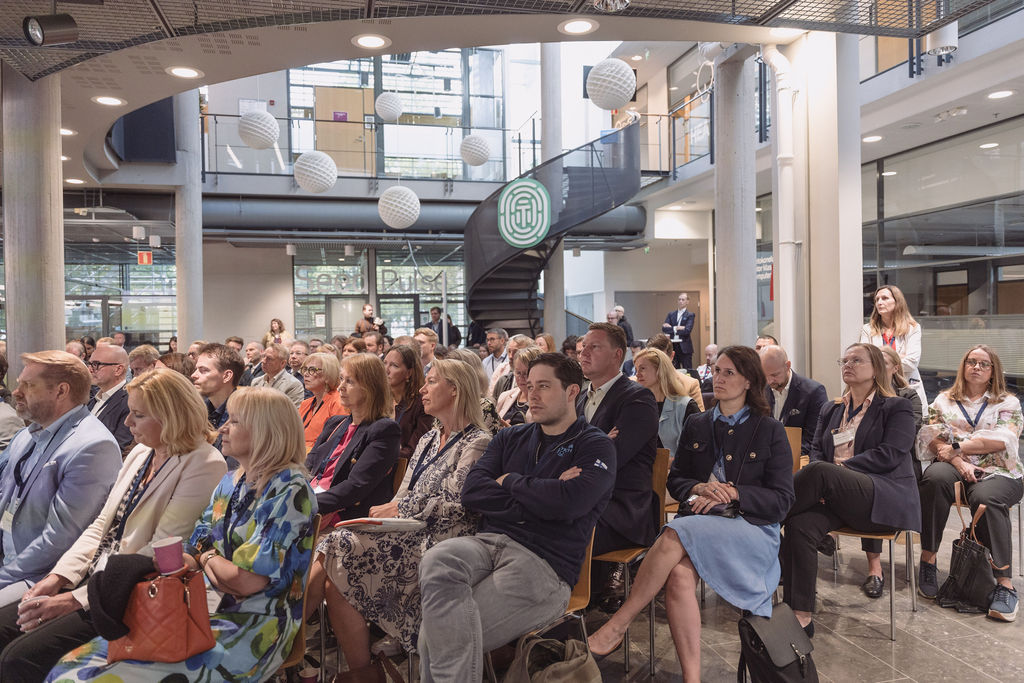

Healthtech Export Day 2026 attracted a full house of 200 professionals, innovators, investors, ecosystem partners and international experts to Terkko Health Hub. Guided by the theme “Together for Global Growth”, the event focused on the opportunities and challenges of international expansion.
Organised by the Ministry for Foreign Affairs of Finland, Ministry of Social Affairs and Health, Healthtech Finland and Health Capital Helsinki, the event combined company case studies, market insights and ecosystem expertise into a compact programme focused on one central question: what does successful healthtech internationalisation look like in practice?
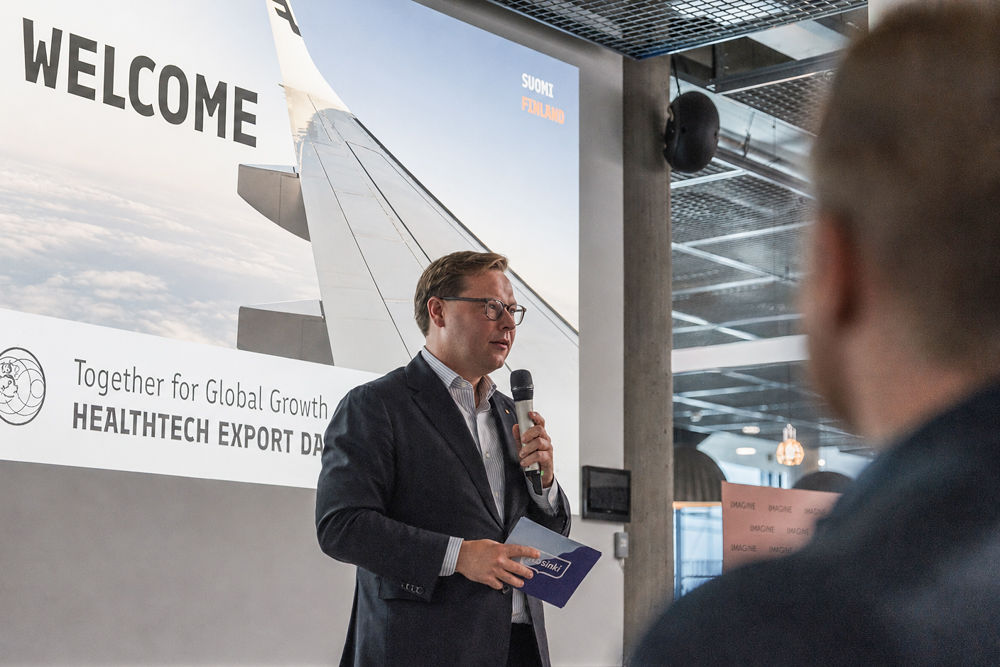
Opening the event, Helsinki Mayor Daniel Sazonov highlighted the importance of innovation and international growth for the future competitiveness of both the city and the country. His remarks set the stage for a day of discussions that repeatedly returned to the idea that global success rarely happens by chance. It requires strategy, partnerships, persistence and a deep understanding of the markets being targeted.
A century-long lesson in export persistence
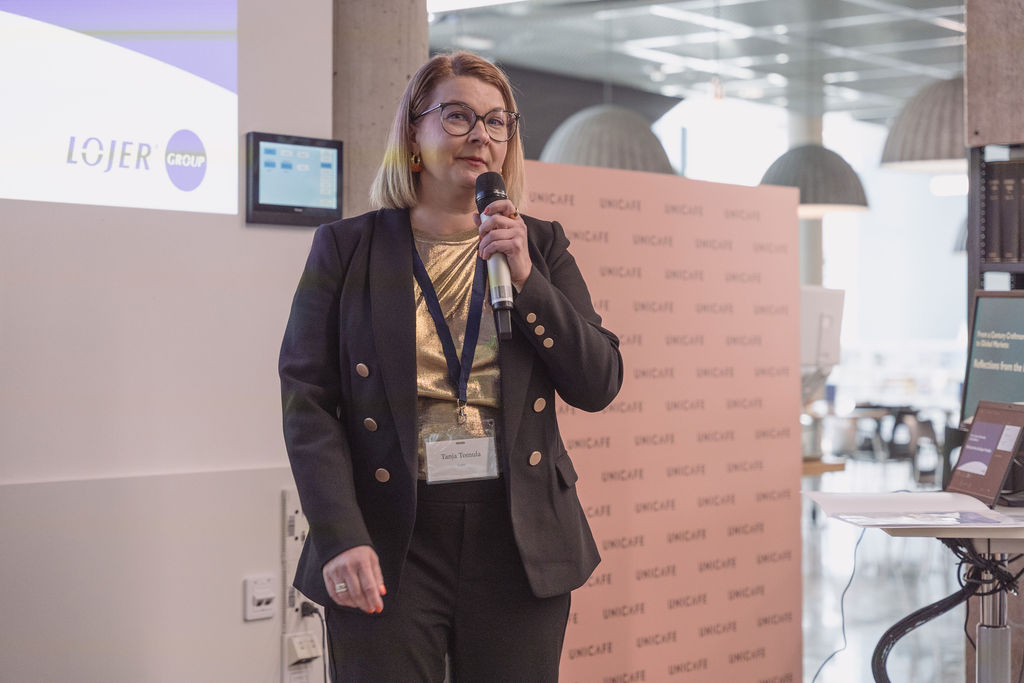
International growth may be driven by innovation, but Tanja Tomula of Lojer reminded the audience that enduring export success is ultimately built on relationships.
Drawing on Lojer’s transformation from a Finnish machine workshop founded in 1919 into one of Scandinavia’s leading healthcare equipment manufacturers, Tomula illustrated how international business is often more complex than product development itself. Entering healthcare markets requires local expertise, trusted partners, distribution networks, and a deep understanding of local market realities.
Winning in the world’s most demanding market
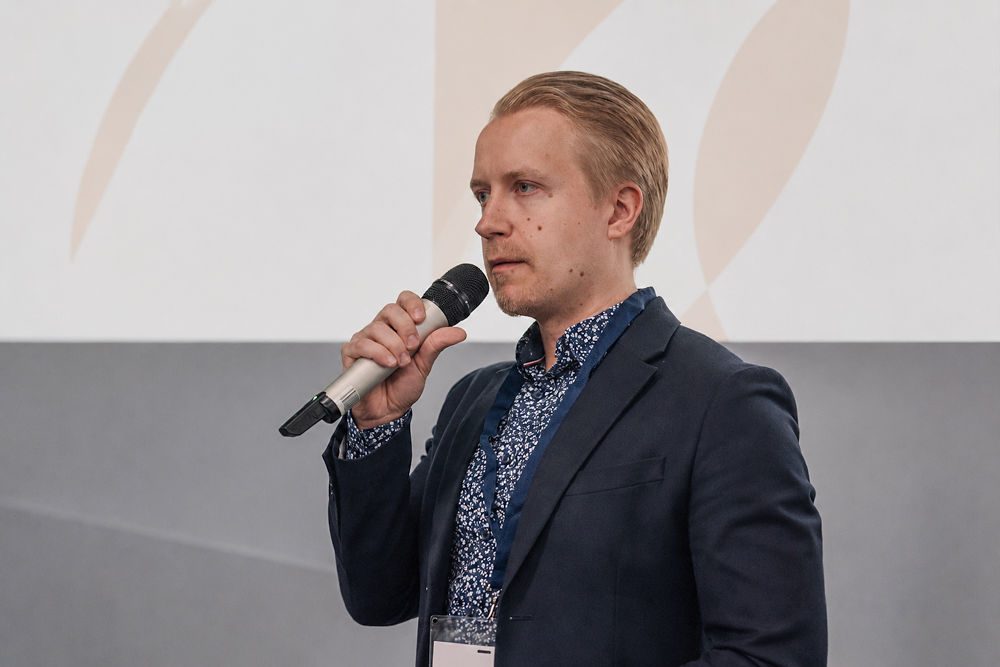
For many Finnish healthtech companies, the United States represents both the greatest opportunity and the greatest challenge. Visa Sippola, CEO of Surgify Medical, shared the company’s journey from breakthrough technology to commercial expansion in the United States.
Surgify has developed tissue-selective drilling technology designed to protect soft tissue during bone surgery, addressing a long-standing challenge in neurosurgery, spine surgery and ear, nose and throat (ENT) procedures.
While the innovation itself attracted attention, Sippola emphasised that technological excellence alone is not enough to succeed in the U.S. According to Sippola, successful market entry depends on three critical factors: maintaining a local presence, making adoption effortless for healthcare professionals and continuously building clinical evidence. American customers expect proven outcomes and strong support structures. For Finnish growth companies, this means investing not only in product development but also in people, partnerships and validation. Today, Surgify operates through a nationwide distributor network in the U.S. and counts leading healthcare organisations among its customers, demonstrating that Finnish innovations can compete on the global stage when execution matches ambition.
Starting with healthcare needs, not technology
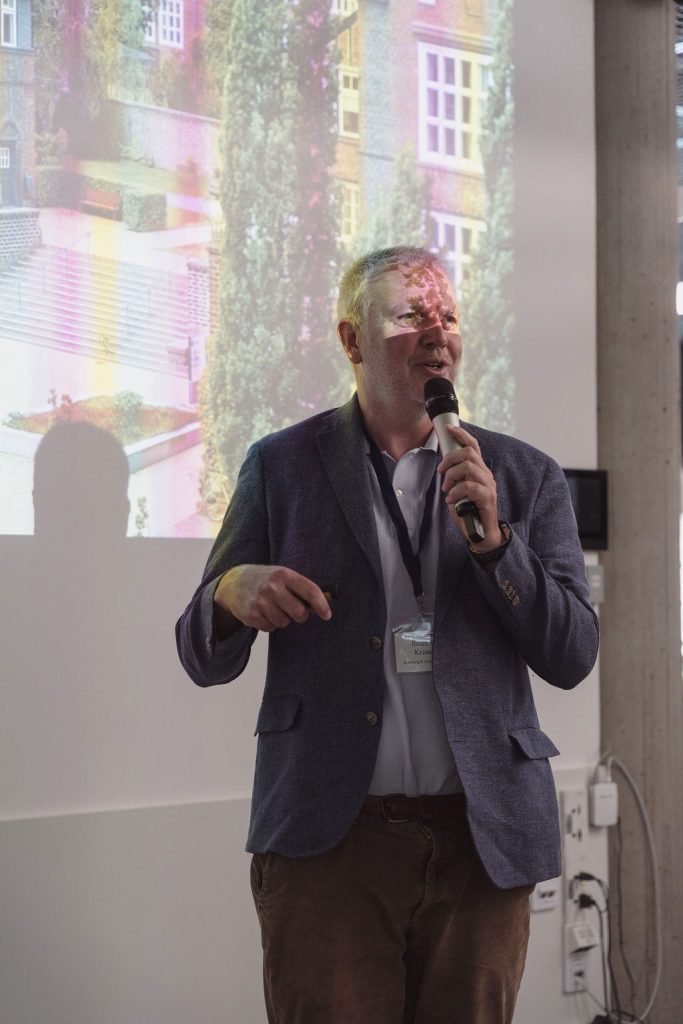
One of the most thought-provoking perspectives came from Denmark, where Brian Holch Kristensen, Head of Innovation at Bispebjerg & Frederiksberg Hospital in Copenhagen, presented a model that turns traditional innovation processes on their head.
Instead of beginning with a technology and searching for a problem to solve, Danish hospitals increasingly start by identifying real clinical needs. Through an approach known as the “Needs Factory”, healthcare professionals, procurement teams and companies collaborate to define genuine challenges before potential solutions are considered.
Kristensen explained how this need-driven methodology has already been applied to areas such as patient monitoring, nurse workflows, communication systems, virtual care and hospital operational efficiency. By focusing first on value creation, hospitals can create more meaningful innovation partnerships and avoid investing in technologies that fail to address actual clinical priorities.
Several examples demonstrated how the model has enabled the development of intelligent monitoring solutions that combine wearable sensors, AI and workflow integration. More broadly, the Danish experience highlighted how successful innovation often depends less on inventing new technologies and more on understanding problems deeply enough to solve them effectively.
Lessons from neighbouring markets
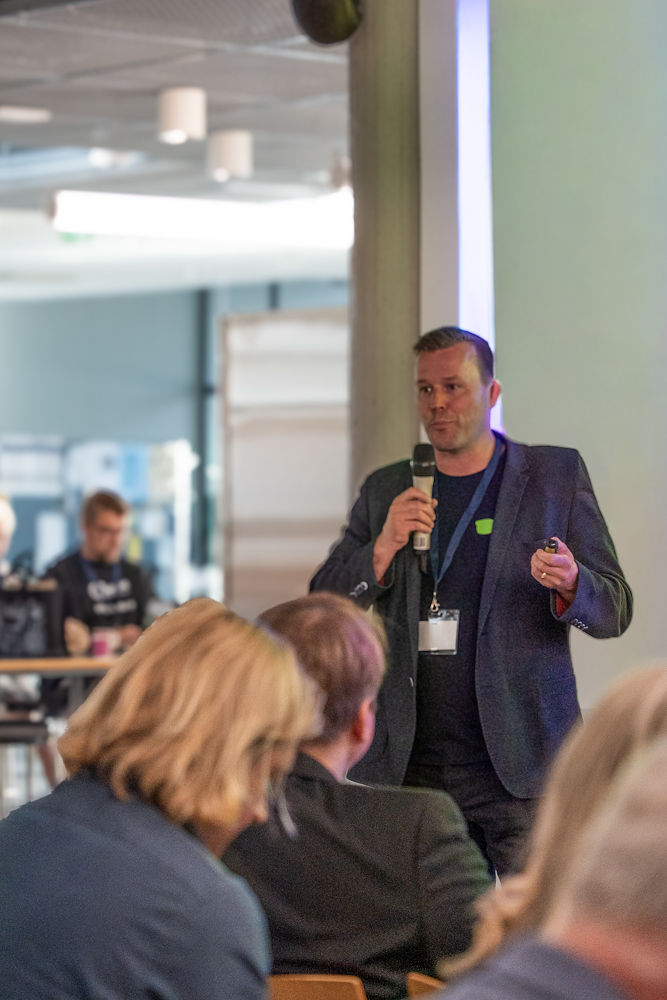
While many companies dream of entering the United States, Juha-Matti Ranta, CEO of Medanets, showed that significant growth opportunities can also be found much closer to home.
Medanets provides a mobile application that supports nursing workflows and integrates with existing electronic health record systems. The solution is already used by more than 100 healthcare organisations across four countries, giving the company first-hand experience of international expansion within Nordic and nearby markets.
Ranta’s message centred on the realities of selling into public healthcare systems. Long decision-making processes, complex procurement procedures and extensive stakeholder engagement can significantly extend sales cycles. Companies must understand local healthcare structures, build relationships well before procurement processes begin and identify early adopters who are willing to champion innovation.
For healthtech companies accustomed to rapid technological development, the pace of healthcare adoption can sometimes feel frustrating. Yet Ranta argued that patience and persistence remain among the most powerful competitive advantages when scaling across neighbouring markets.
Looking beyond human healthcare
One of the day’s most unexpected export opportunities came not from another country, but from another sector altogether.
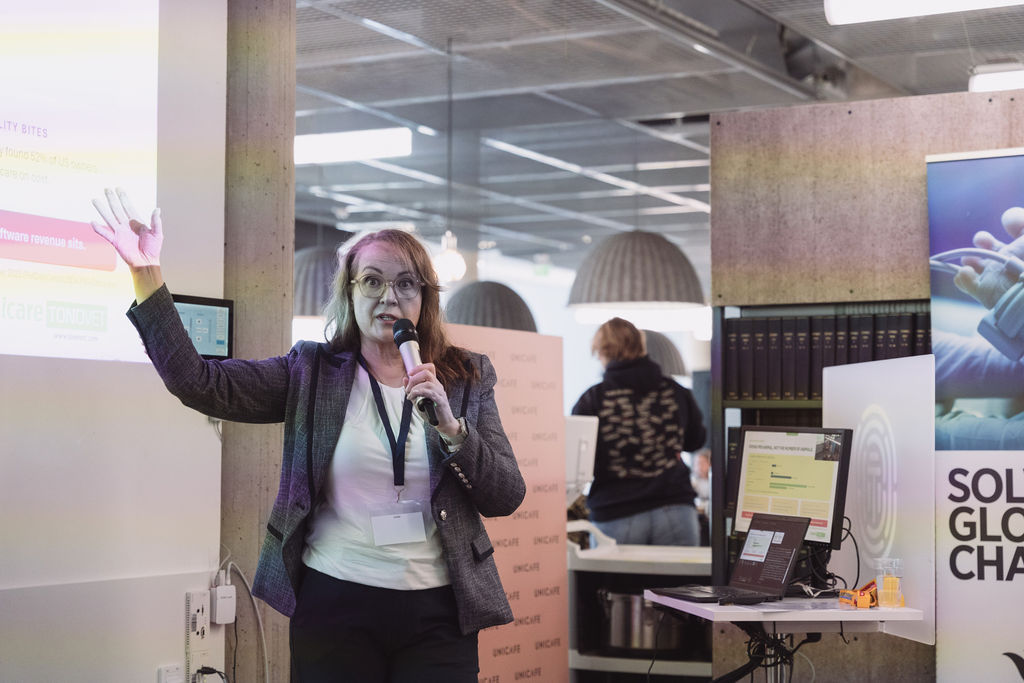
Kirsi Kulvén, Director of Veterinary Business at Icare Finland, introduced the audience to the rapidly growing veterinary healthcare market and challenged common assumptions about its relationship to human healthcare.
At first glance, veterinary medicine may appear to be a natural extension of existing healthtech products and expertise. However, Kulvén explained that the market operates according to its own logic. Customer expectations, distribution channels, evidence requirements and purchasing decisions differ significantly from human healthcare.
At the same time, the opportunity is substantial. Global spending on veterinary care continues to grow rapidly, driven by increasing pet ownership, longer animal lifespans and rising demand for advanced diagnostics and treatments. For companies working in diagnostics, imaging, monitoring technologies and software, the veterinary segment represents a growing international business opportunity.
Kulvén’s key message resonated strongly with the audience: success requires more than adapting an existing product. Companies must be willing to build a dedicated veterinary business with its own strategy, evidence base and commercial model. Those who do may find themselves entering one of the fastest-growing segments of global healthcare.
Building trustworthy AI for healthcare
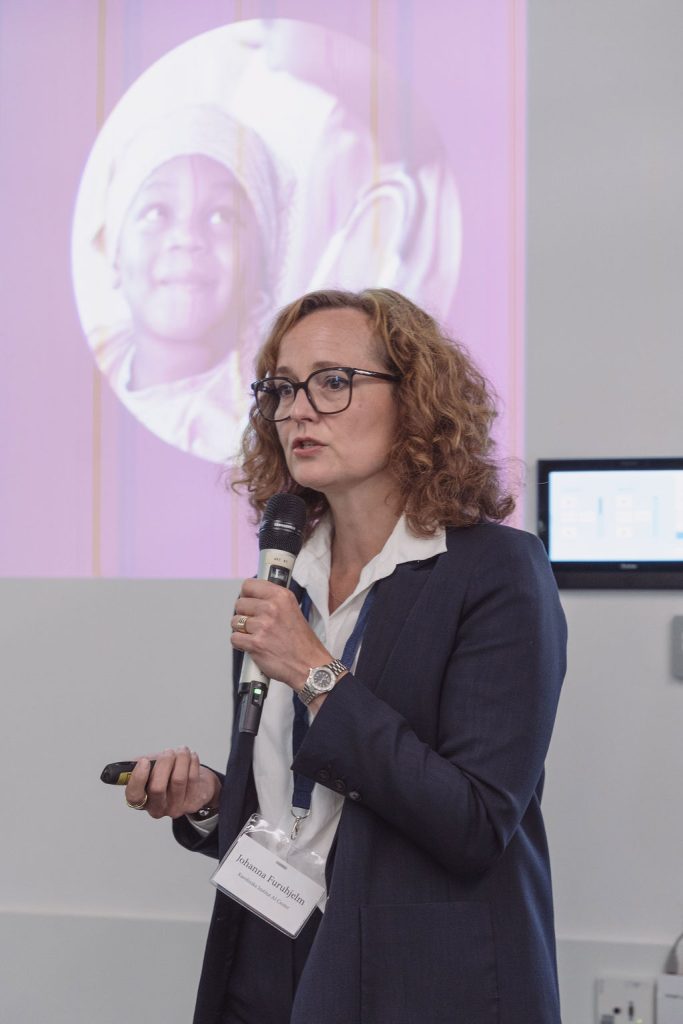
Artificial intelligence has become one of the defining themes in healthcare innovation, but Johanna Furuhjelm of Karolinska Institutet argued that trust remains the decisive factor in determining whether promising technologies ultimately reach patients.
As Director of the Centre for AI Innovation at Karolinska Institutet, Furuhjelm described how AI can help bridge the gap between research and clinical practice by accelerating the development, testing and implementation of new healthcare solutions. The aim is not simply to advance AI technologies, but to ensure that they can be safely and effectively integrated into healthcare.
To support that journey, the Centre brings together researchers, healthcare providers and industry partners, offering access to testing environments, health data, regulatory guidance and clinical validation expertise.
Furuhjelm also highlighted TEF-Health, a European network that supports health AI companies with testing, validation and market-readiness services across multiple countries. The initiative helps innovators navigate regulatory requirements and bring trustworthy AI solutions into real healthcare settings more efficiently.
The overarching message was clear: successful health AI requires not only technological innovation, but also trust, validation and collaboration across the healthcare ecosystem.
A common thread: collaboration
As the event ended, Saara Hassinen, CEO of Healthtech Finland, looked ahead to the next steps for Finland’s healthtech ecosystem. Yet by that stage, a common thread had already emerged from every presentation.
Whether discussing surgical innovation in the United States, healthcare procurement in Denmark, software exports in the Nordics, veterinary healthcare markets or the future of artificial intelligence, speakers consistently returned to the same themes: collaboration, evidence, trust and persistence.
For the fourth consecutive year, Healthtech Export Day brought together key Team Finland actors and the wider health ecosystem to discuss how Finland can unlock even greater growth from one of its most successful export sectors. The event demonstrated the value of bringing companies, public sector organisations, investors, researchers and international partners together around a shared ambition for global growth.
The networking area remained full until the final minutes of the event, as participants exchanged ideas, explored partnerships and continued discussions that had begun on stage. The atmosphere reflected a sector that is increasingly international in outlook but deeply collaborative in practice.
If one conclusion stood out from the event, it was this: Finland already has the expertise, innovation and ambition needed to compete globally. The challenge now is to convert those strengths into international growth, market by market and partnership by partnership.
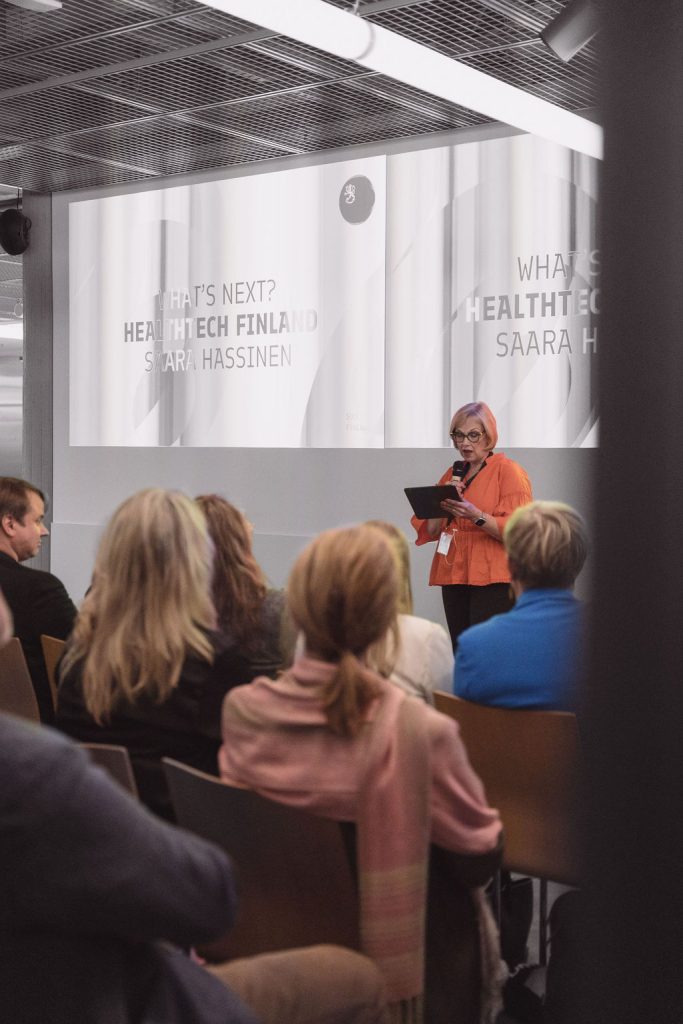
Photo by Kathrin Deter